

Fibre as a utility
Nobody builds a second water main down a street to compete on water. Fibre in the access network has the same economics, and it should be built the same way.
· 3 min
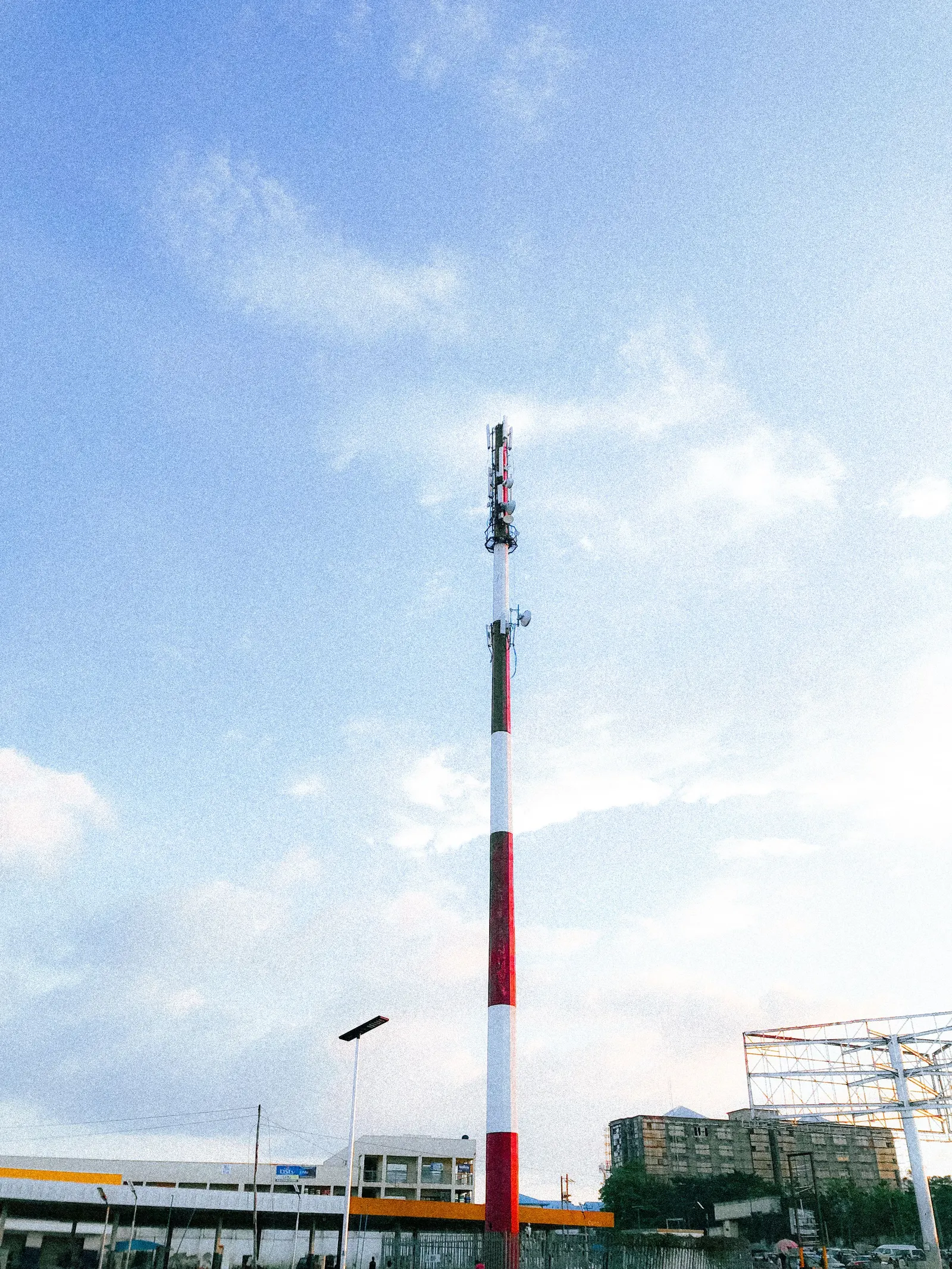
No town runs two water mains down the same street so that two companies can compete to sell water. It would cost twice as much, dig up the road twice, and the water would not be any better.
In the access network, the last few hundred metres to a home, fibre has the same economics. Yet in many of our towns, we build it as if it didn't.
What makes something a utility
A utility network has three features:
- It is expensive to build and cheap to run once it is there.
- One copy is enough. A second network down the same street adds cost without adding much service.
- Everyone needs it. Homes, businesses, schools and clinics all depend on it.
Water, power and roads fit this description. So does a fibre route in an estate. Once the cable is in the air, connecting one more home costs a drop and an ONU. Building a second cable next to it costs the whole route again.
Where competition belongs
None of this means one company should sell internet to everyone. The opposite.
When the passive network is shared, competition moves to where customers can feel it:
- price;
- support that answers;
- plans that fit what people actually use;
- reliability, because a well-run ISP on a well-built network has fewer excuses.
A customer on an open access street can change ISP without anyone climbing a pole.
What has to be true for it to work
Fibre only behaves like a utility if it is run like one.
- Build to a standard. Poles, closures and drops follow the same specification everywhere, so any crew can work on any part.
- Record everything. Every splice, every closure and every serial number, so faults are found by looking up a record, not by searching.
- Monitor it. Optical levels and port status are watched centrally, so the network operator usually knows before the ISP does.
- Lease on the same terms to everyone. Open access means open: the terms one ISP gets, the next ISP gets.
- Price it to last. The lease has to pay for maintenance for the life of the plant, not just for the build.
That is the model LitSpan Africa is built on: one party owns and lights the fibre, many providers sell over it, and subscriber data stays in country. {/* source: litspan.com/ , /about */} The software behind it, SaidaOSP for the plant and SaidaLink for the ISPs that sell on it, exists because those rules only hold if they are enforced by the system, every day.
Why it matters here
The expensive part of connecting a home is the last few hundred metres. Today it is built again and again by companies that would all be better off sharing it.
Build it once. Build it properly. Let everyone sell on it. That is how connectivity becomes affordable.