

The price of an unmanaged splice closure
A closure nobody recorded is cheap on the day it is hung and expensive every day after. The cost shows up in truck rolls, outage minutes and lost customers.
· 3 min
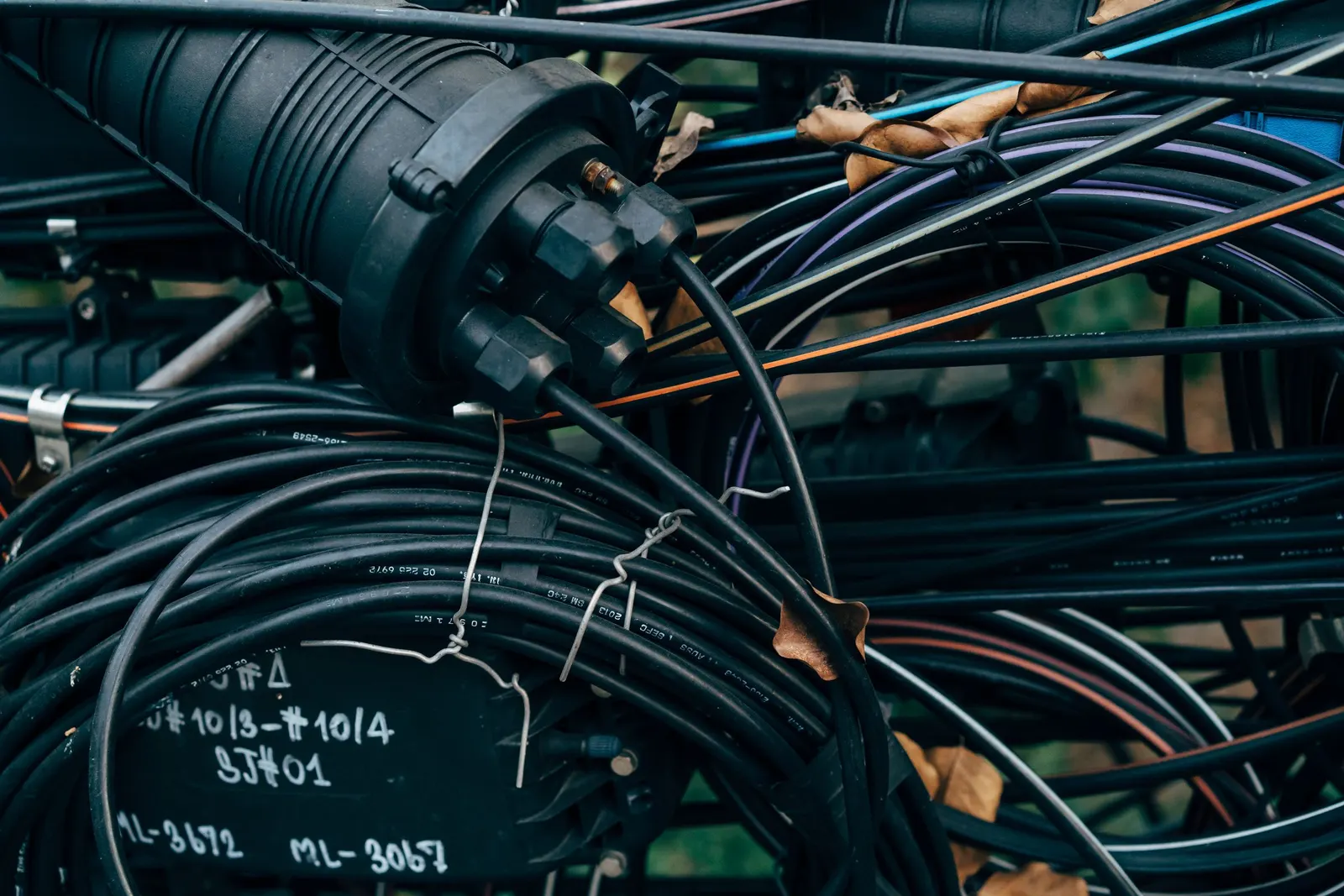
A splice closure costs little to buy and an hour or two to fit. On the day it goes up, a badly hung, unrecorded closure costs about the same as a good one.
The difference shows up later.
The first fault
A customer goes offline. The ONU shows no light. Somewhere between the OLT and the house, the fibre is broken or a splice has failed.
If the closure was recorded, the technician knows:
- which closure feeds that customer;
- which pole it hangs on;
- which tray and splice it sits on.
They drive to one pole, open one closure and fix one splice.
If it was not recorded, the technician starts guessing. They open the closure they think is right. It isn't. They open the next one. Each time a closure is opened, other splices get disturbed, and sometimes a second fault is created while hunting for the first.
One fault becomes a day. One customer becomes ten.
What an unrecorded closure actually costs
The closure itself is the cheapest part. The cost is in:
- Truck rolls: every extra closure opened is an extra climb, an extra hour of a crew, an extra trip for a ladder or a bucket truck.
- Outage time: customers stay offline while the crew searches. Some of them call support, which costs again.
- Collateral damage: each time a closure is opened, splices that were working get disturbed.
- Churn: a customer who was down for two days compares prices.
None of this appears on the build budget. All of it appears on the operating budget, every month, for the life of the network.
What managed looks like
A managed closure has a record that anyone in the company can find:
- its location on the map and the pole it hangs on;
- photos of the inside after the splices were made;
- which cables enter it and which customers it feeds;
- the serial numbers of the closure and the splitters inside it;
- who worked on it, and when.
In SaidaOSP that record is part of the work order, filled in by the technician who did the job. The serial number links the item to the stores ledger, so a closure in the field is a closure the company knows it owns.
When a fault comes in, the NOC sees which port went dark and which closure sits on that path. The crew leaves the yard knowing which pole to climb.
The habit is the asset
The first closure recorded properly costs a few minutes more. The thousandth one is the difference between a network you can repair in an hour and one you have to rediscover every time it breaks.
Infrastructure that is managed stays cheap. Infrastructure that is not managed gets more expensive every year it stays in the air.