

What a clean utility pole looks like, and who pays for it
A clean pole is not about looks. It is about whether the next crew can work safely and quickly, and whether the pole owner will keep saying yes.
· 3 min
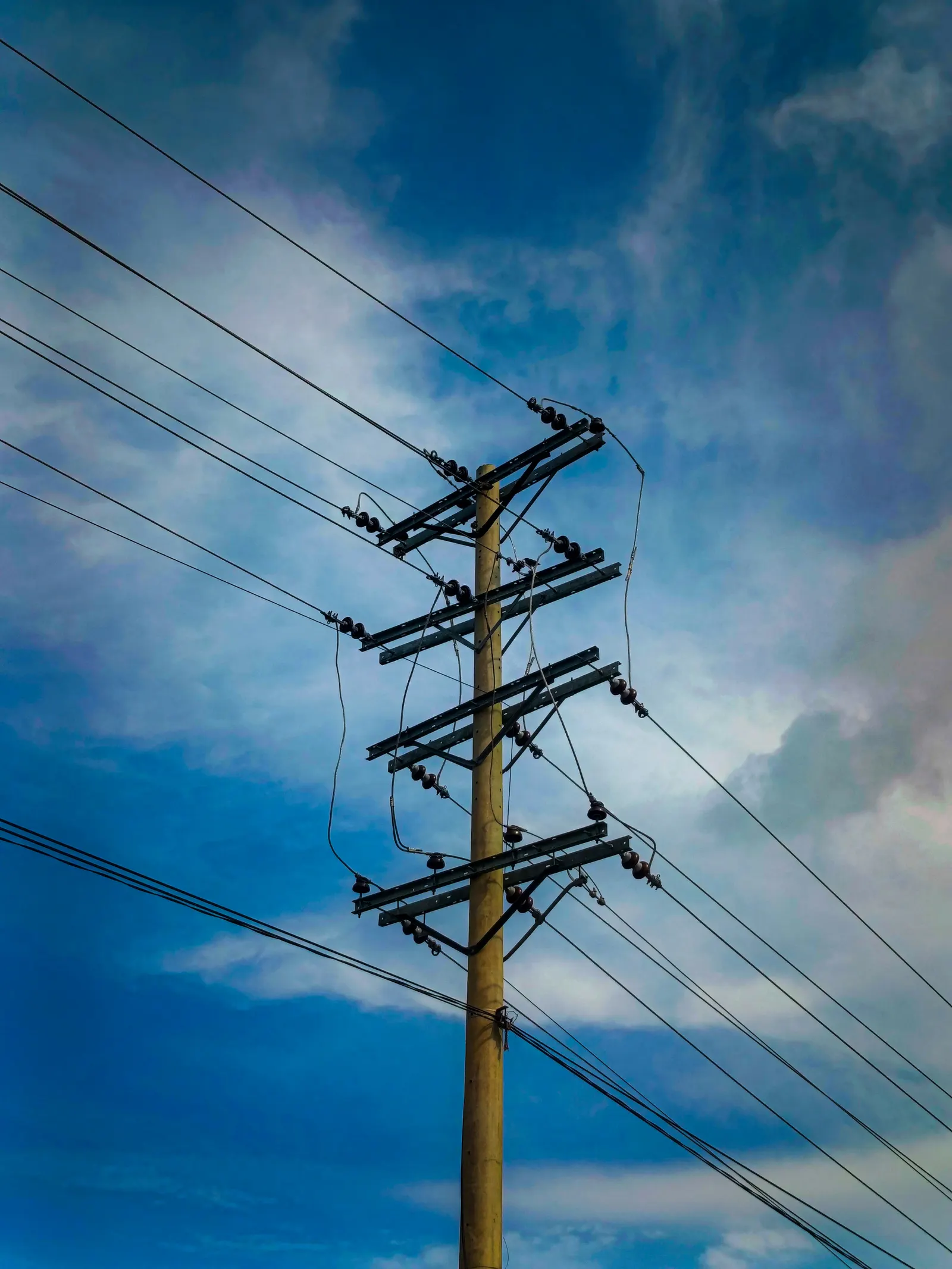
Most people only notice a pole when it looks wrong: a bird's nest of cable, a closure hanging from a cable tie, a loop of slack drooping over the road.
A clean pole is easy to miss, because nothing about it draws your eye. That is the point.
What clean looks like
- One messenger strand, tensioned properly, at the agreed height and clearance from power.
- Cable lashed tight to the strand, with no loose spans for wind or trucks to catch.
- Slack stored in a proper loop at a planned point, not wound around the pole wherever it was left.
- Closures hung on brackets made for them, not tied on with whatever was in the van.
- Labels that tell the next crew whose cable it is and where it goes.
- Drops leaving at a junction point, not spliced in mid-air.
Nothing on that list is expensive. It is mostly discipline, and having the right hardware on the van.
Why it matters
Safety. Fibre shares poles with power. Cable hung below clearance, or wrapped where line workers need to climb, puts people at risk.
Speed of repair. On a clean pole, a technician can find, reach and open the right closure without moving anything else. On a messy one, every job starts with untangling.
Pole access. Pole owners notice. Operators who leave a mess find the next wayleave slower and dearer, and sometimes refused. A clean record makes the next negotiation easier for everyone.
Fewer faults. Loose cable chafes, sags and gets snagged. Badly stored slack bends past its limit. Every one of those is a future outage.
Who pays for a messy pole
Not the crew that left it. The cost lands later on:
- the ISP's next technician, who spends an hour untangling before working;
- the customers offline while that happens;
- every other operator on the pole, whose cables get disturbed;
- the pole owner, whose own maintenance gets harder;
- in the end, every subscriber on that street, through a higher monthly price.
Who pays for a clean one
The operator pays a little more at build time: the right brackets, a few more minutes per pole, a standard crews are trained to and checked against.
That is a cost you can plan for. The messy pole's cost is one you pay forever, without seeing the bill.
How we keep it clean
This is the standard LitSpan Africa builds to. Every pole and closure gets a record in SaidaOSP, with photos at completion, so the result can be checked against the standard.
One network per street makes this possible. When five crews share a pole, nobody owns the result. When one does, someone is accountable for every metre.